Beyond the Banks: A First-Timer’s Perspective
When you think about a community river cleanup, what comes to mind? Having never participated in a community cleanup outside of a church setting, I didn't know what to expect, but the results surprised me. I was amazed by the community interaction, the stories of conservation, and the sheer volume of what was left behind.
Small Group, Big Impact on September 12th
On Saturday, September 12, 2026, Trout Unlimited hosted its Annual Little Red River Cleanup Day. John Bracey, President of Trout Unlimited Chapter 722, welcomed all volunteers bright and early at 7:30 a.m. The warm, smiling faces of the more than 15 volunteers who came out were a testament to how deeply the community values keeping the Little Red River clean. Volunteer teams dispatched across three key access points: JFK Park, Cow Shoals Access, and Barnett Park.
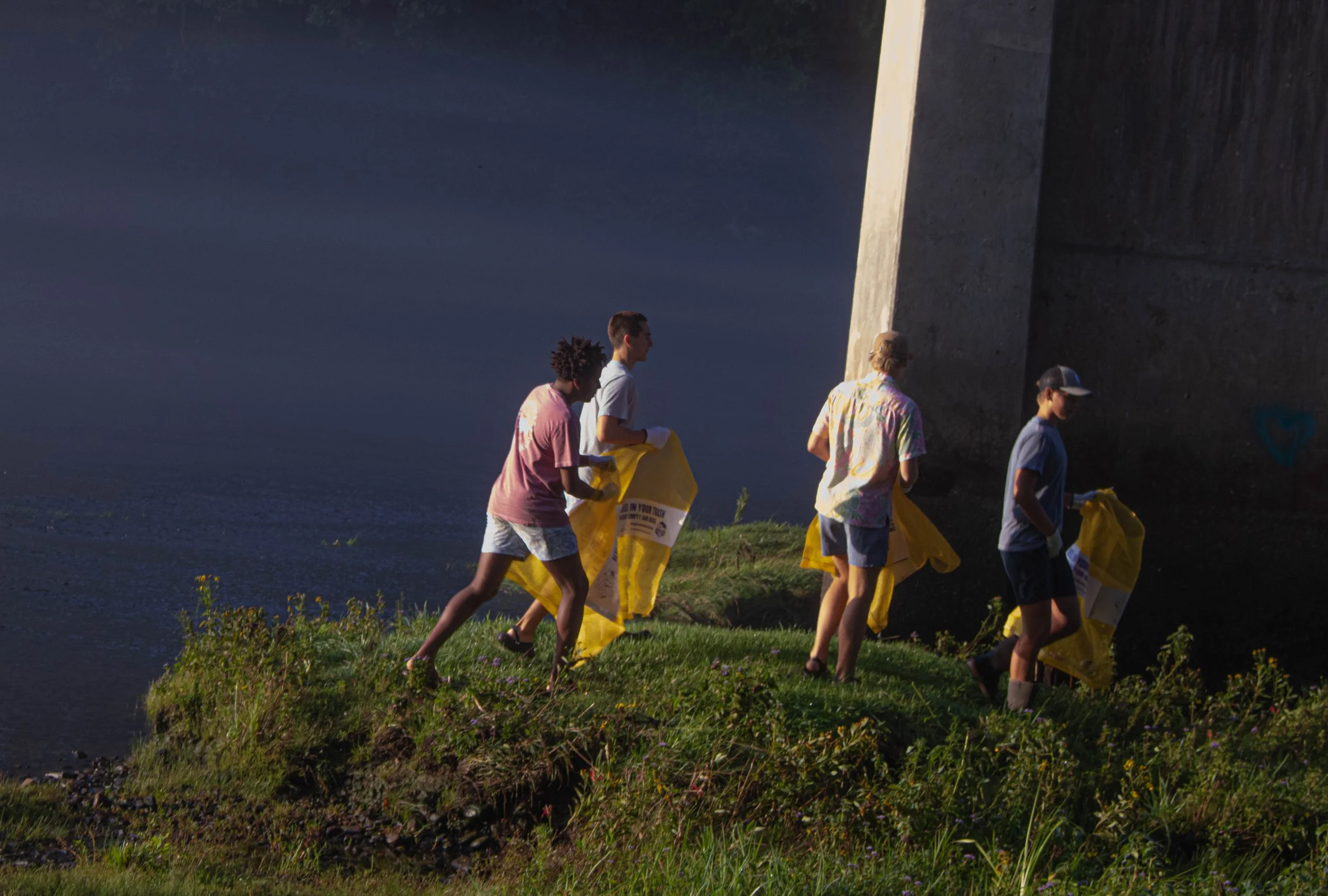
Group of volunteers collecting trash along the Little Red River
From Beer Cans to Tablets: What Gets Left Behind
Assisting with the cleanup firsthand, I was astonished by the items left along the banks. Beyond general trash like beer cans and cigarette butts, we uncovered a variety of unusual finds: a single shoe sitting next to a steak knife, an Amazon Tablet, golf balls, and even car parts. One volunteer noted that while leaving trash behind is bad enough, pitching items deep into the woods requires a deliberate and troubling effort to dispose of waste inappropriately.
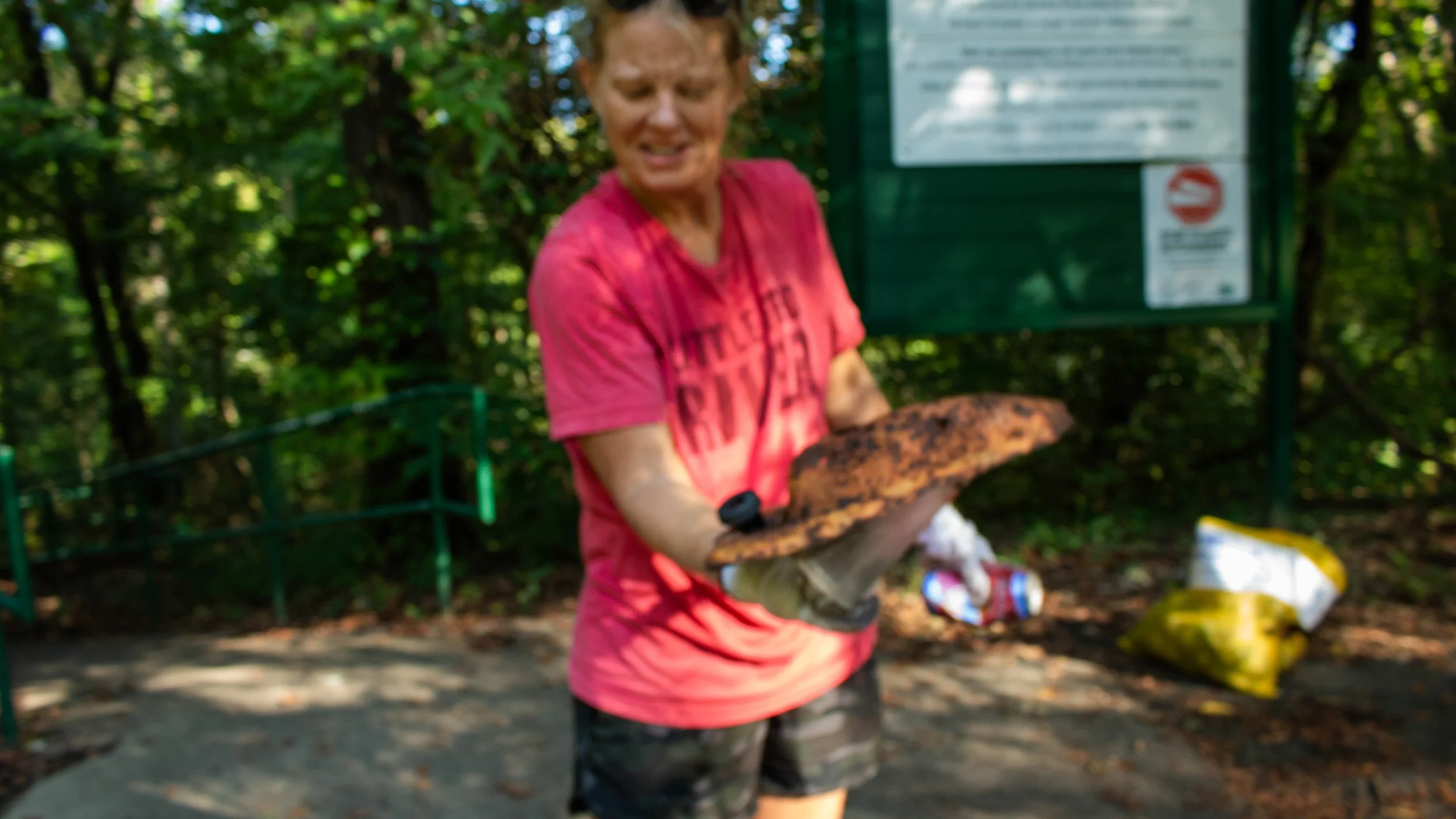
Finding car parts in the woods.
Local Effort Meets National Trends
This year’s efforts filled two full dumpsters—a sharp rise from the single dumpster collected last year. Nationally, the Keep America Beautiful 2026 National Litter Study estimates that overall litter dropped 34 percent from 2020 to 2025, falling from 49.5 billion pieces to 32.6 billion pieces. The report concludes with this call to action:
"Proven strategies are working, but must be strengthened, expanded, and matched to the scale of a challenge that still leaves 35 billion pieces of litter across the nation. Sustained progress will depend on continued investment in education, infrastructure, and behavior change strategies; deeper engagement from businesses and producers to reduce litter upstream; and ongoing collaboration among communities, governments, and individuals. Litter is not inevitable, nor is progress assured. What happens next depends on collective action and sustained commitment."
Events like the annual Little Red River Cleanup allow us to give back to our community, recognize how urgent these efforts remain, and give a voice to a river we must protect.
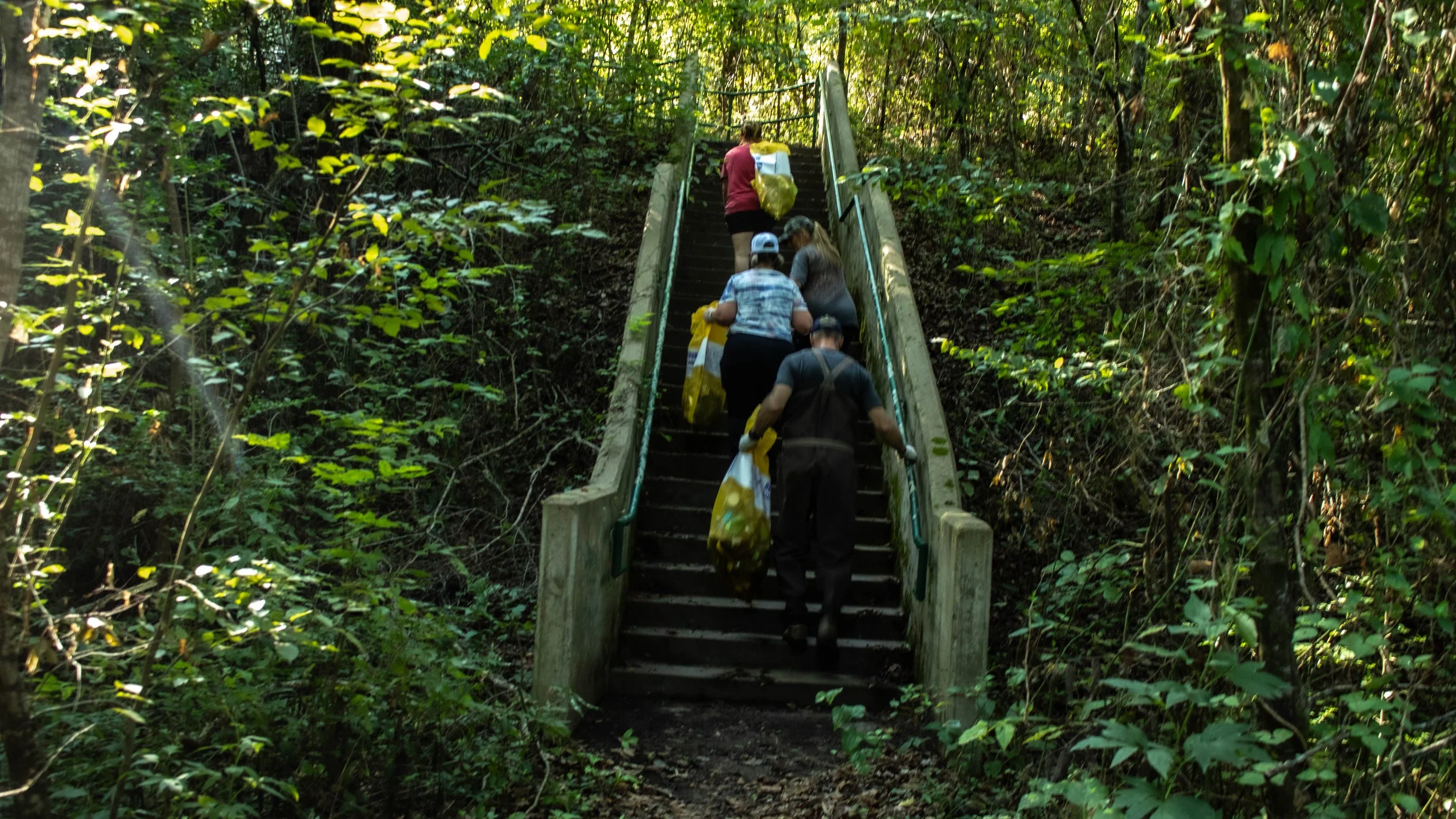
Heading out from Barnett Park.
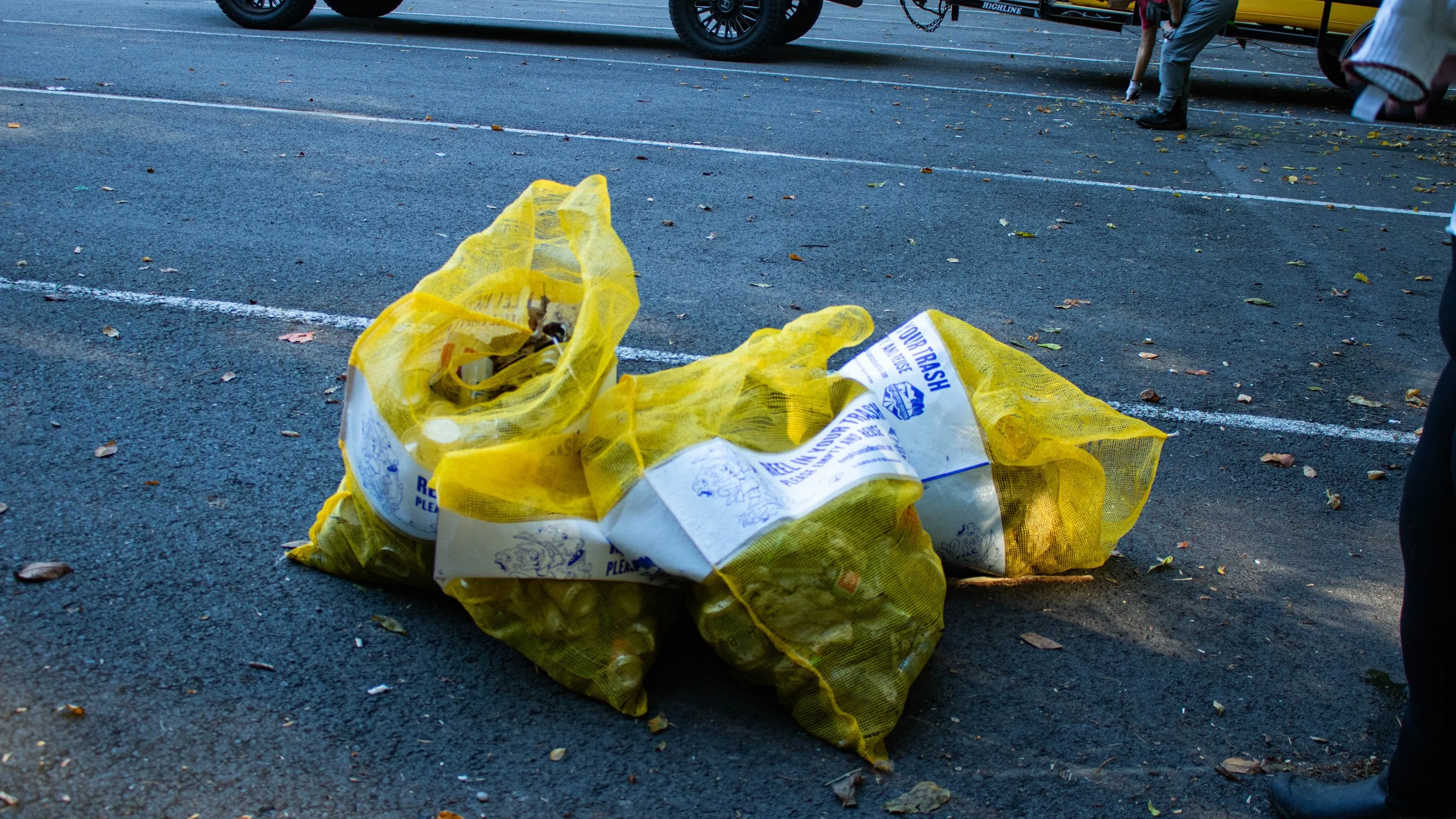
First round of 4 bags of collected trash.